We buy them · We test them · No sponsored rankings

The Best Pull-Up Bars for Home Gyms

4 sets reviewed · ranked by score · live prices

A pull-up bar is the cheapest, most effective piece of upper-body kit you can add to a home gym: one bar, and you can train your back, lats, biceps and core with nothing but bodyweight. The choice comes down to how it mounts. Doorway bars either wedge inside the frame (telescopic) or hook over the architrave (leverage), while a freestanding power tower stands on its own and needs no doorway at all.

The right one depends on your space and your door frame as much as your training. Doorway bars are cheap, portable and tidy, but every one depends on your specific frame being the right size and solid enough, and almost all top out around 100kg. A freestanding tower costs more and takes real floor space, but it is sturdier, adds dips and leg raises, and never touches your doorway. We rank these on stability and safety, grip options, capacity, fit and value, using manufacturer specs and aggregated owner reviews, with no sponsored placements.

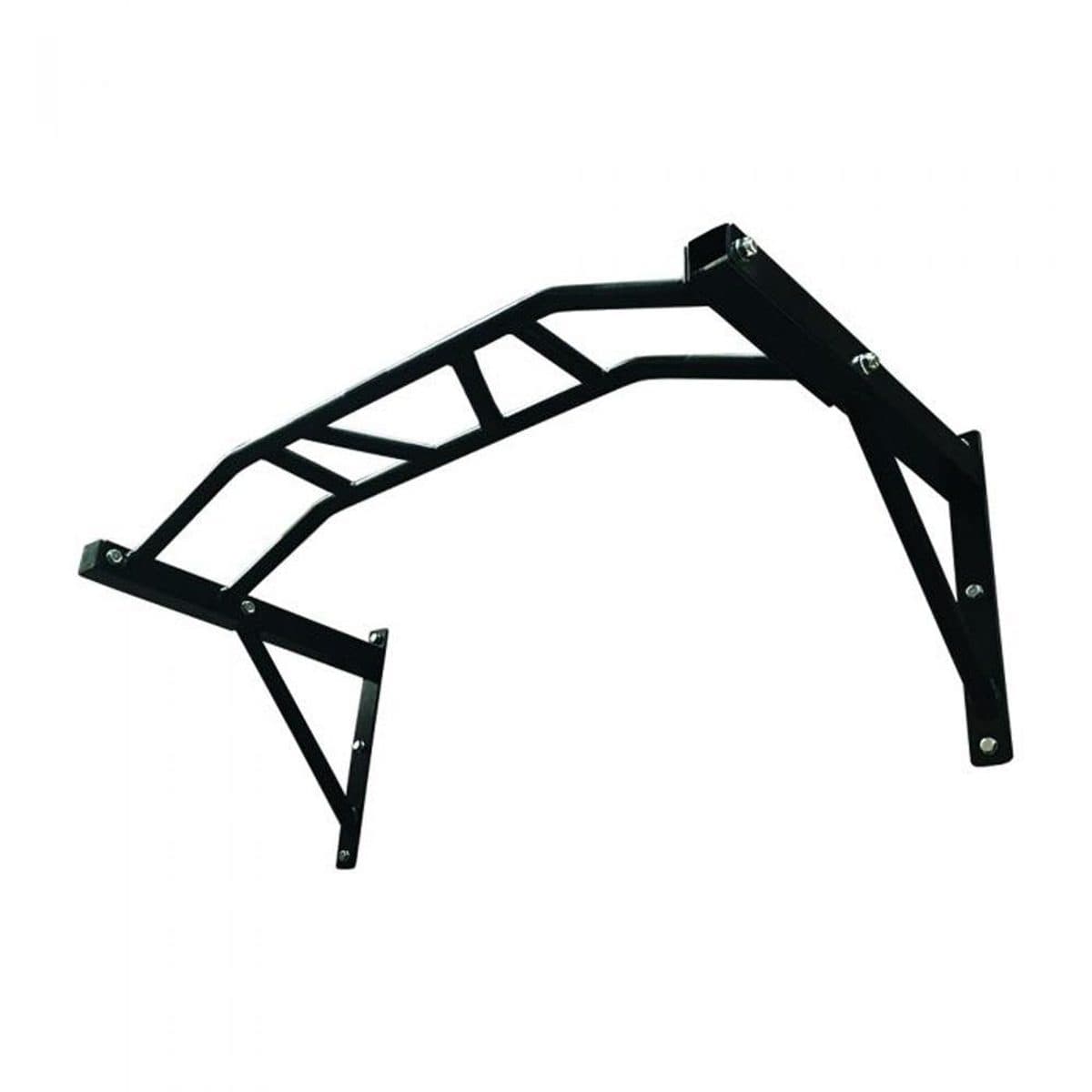
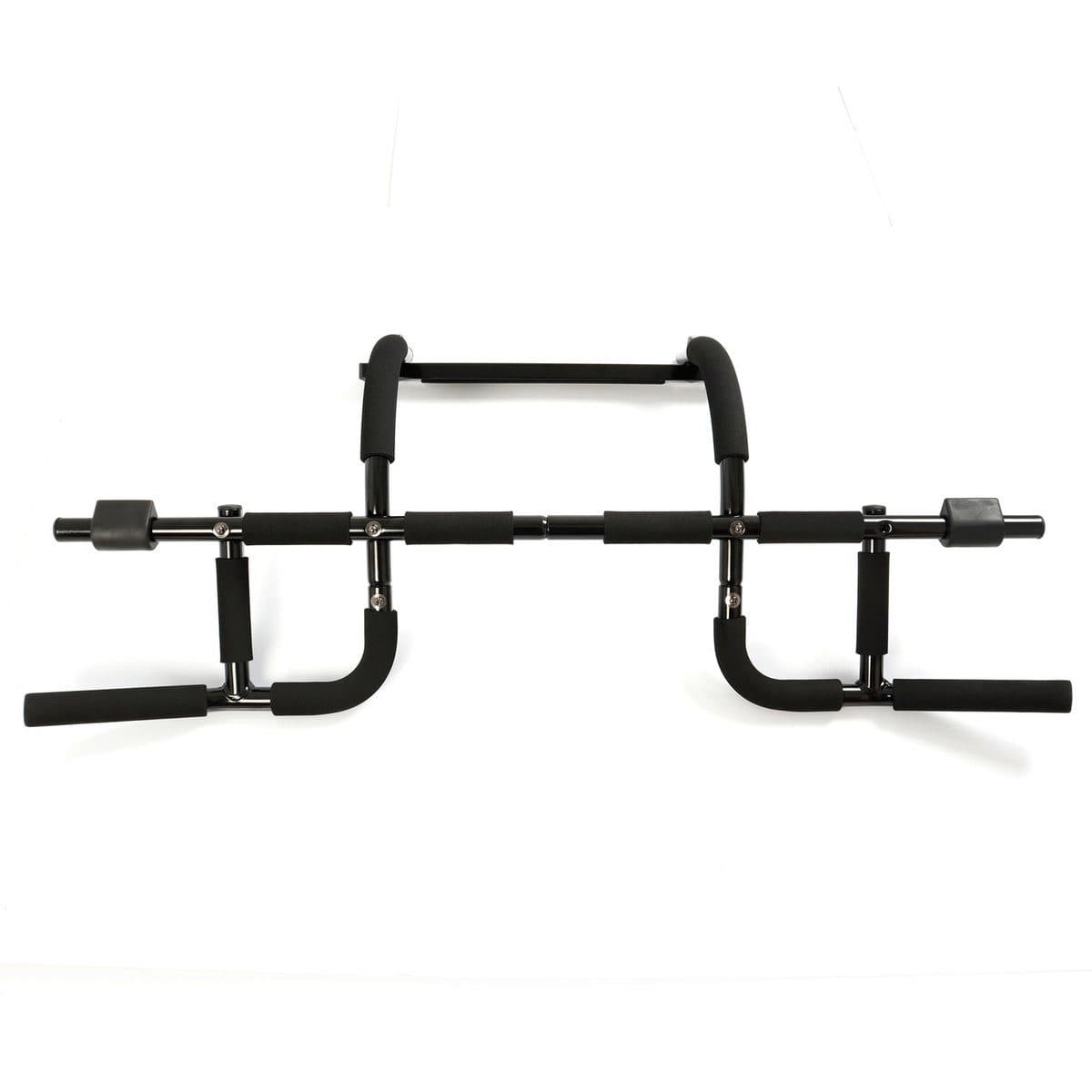
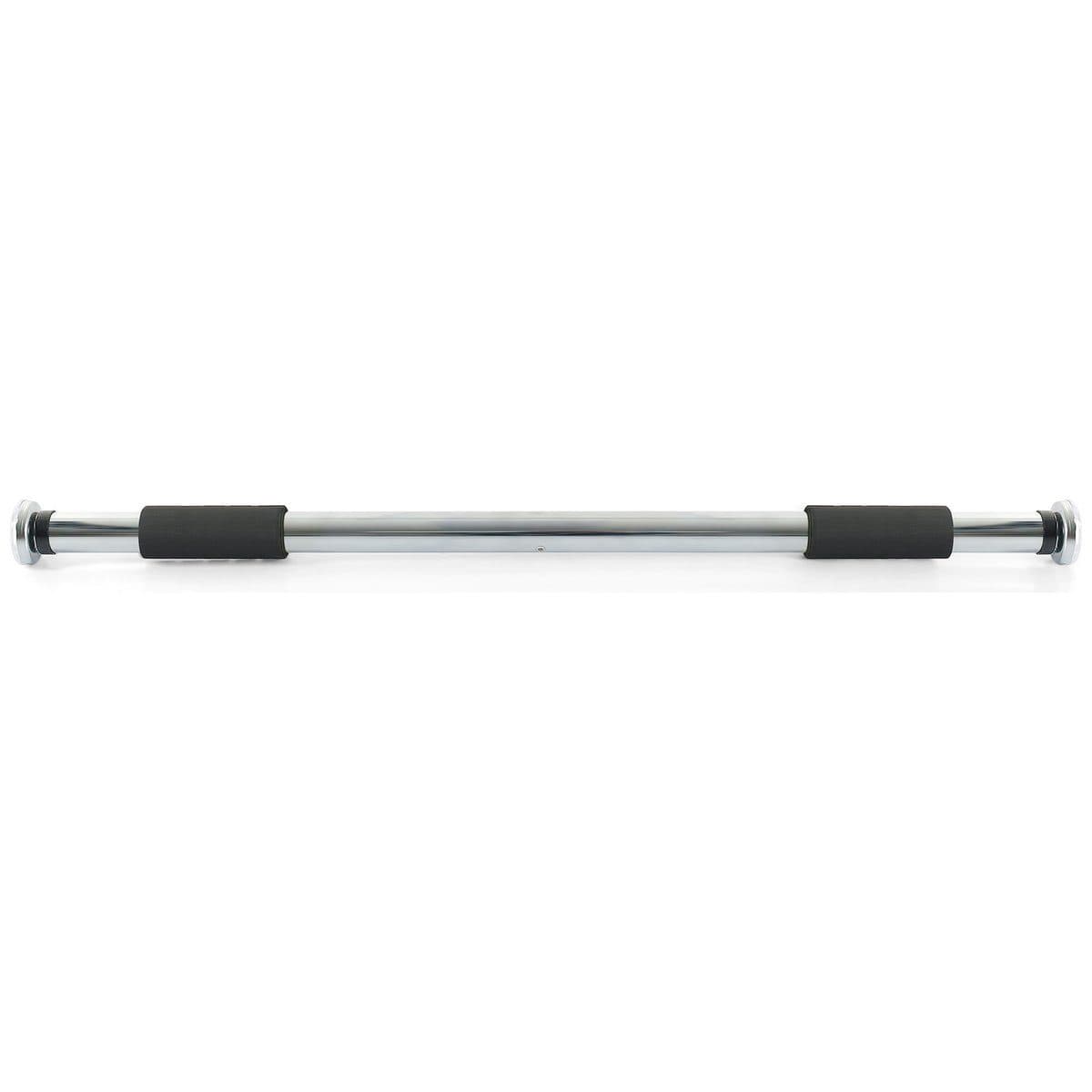
The short version: the GymGear wall bar is the sturdiest option if you can fix to a solid wall, the Men's Health Power Tower is the sturdiest freestanding pick, the Pro Fitness Multi is the best-value doorway bar, and the Opti telescopic bar is the cheapest way to start.

Men's Health Power Tower review#34
7.8/ 10

Men's Health

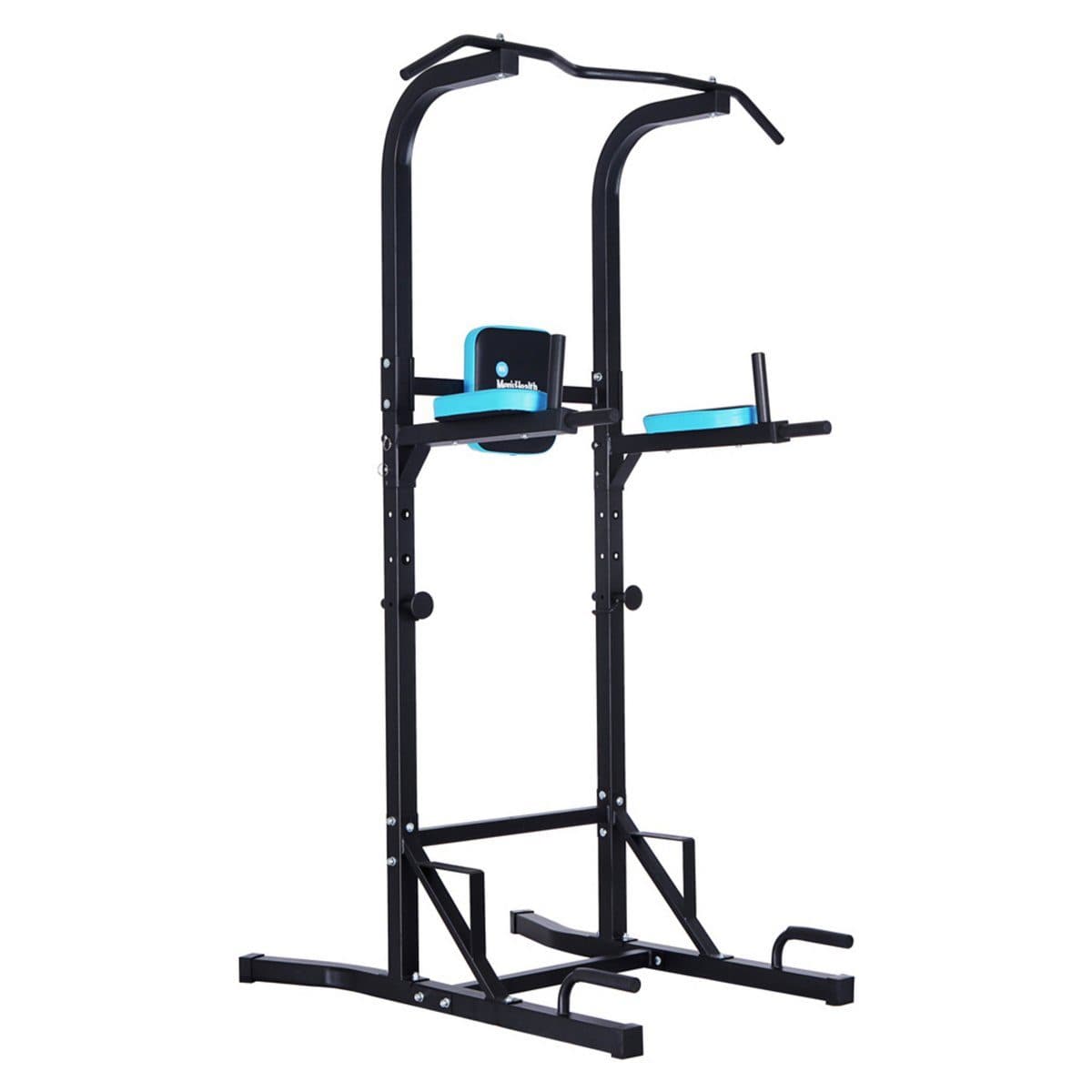
Men's Health Power Tower

If you want to train pull-ups properly without trusting a door frame, a power tower is the answer, and this Men's Health one is a sensible home pick. Rated to 110kg, it adds dips, leg raises and push-ups to a stable multi-grip pull-up bar, with no fittings to damage your doorway. The trade is size: it stands over two metres tall with a 94 by 123cm footprint and needs assembling, so it suits a garage or spare room, not a hallway.

Max
-
Steps
-
Price
~£100
Read review

Frequently asked questions

Are doorway pull-up bars safe?

Yes, when matched to the right door frame and installed correctly. Telescopic bars hold by friction and must be wound out tight into a sound, square frame; leverage bars brace over the architrave, which needs to be solid trim. Measure your doorway, follow the fit requirements, test with gradual weight, and keep reps controlled. If your frame is weak, narrow or trim-less, choose a freestanding tower instead.

What is the difference between telescopic, leverage and freestanding bars?

A telescopic bar extends to wedge inside the doorway and sits low-profile but is single-grip and relies on friction. A leverage bar hooks over the top of the frame, adds many grips plus push-up and dip handles, and feels more secure. A freestanding power tower stands on the floor, needs no doorway, is the sturdiest, and adds dips and leg raises, but takes real space.

How much weight can a pull-up bar hold?

Most doorway bars are rated to 100kg and freestanding towers to around 110kg. Treat these as firm limits that include any added load, so weighted pull-ups with a dip belt are out on home bars. Heavier users, or anyone wanting to add weight, should use a wall-mounted bar bolted into masonry or a commercial-grade tower.

Will a pull-up bar damage my door frame?

It can if the trim is weak. Leverage bars push down on the architrave above the door, and thin or loose moulding can mark, flex or pull away, while telescopic bars press against the sides and can mark paint. Solid, well-fixed frames handle both fine. Use the padded braces supplied, inspect your trim first, and pick a freestanding tower if you would rather not risk it.