We buy them · We test them · No sponsored rankings

The Best Weight Benches for Home Gyms

5 sets reviewed · ranked by score · live prices

A bench is the most useful thing you can add to a pair of dumbbells. It roughly doubles what they can do: flat and incline pressing, rows, step-ups, hip thrusts, split squats and core work all need something to sit or lie on. For most home gyms it is the first companion purchase after the weights themselves.

The buying decision comes down to three things: the angles (a flat bench presses flat, a FID bench adds incline and decline), the build (load rating, user-weight limit, and whether the frame is heavy steel or a lighter folding design), and the footprint (a folding bench tucks away, a fixed one does not). Heavy barbell pressing needs a sturdy steel bench; light dumbbell and conditioning work can use something lighter or a versatile deck. We rank these on stability, capacity, adjustability, padding, storage and value, using manufacturer specs and aggregated owner reviews, with no sponsored placements.

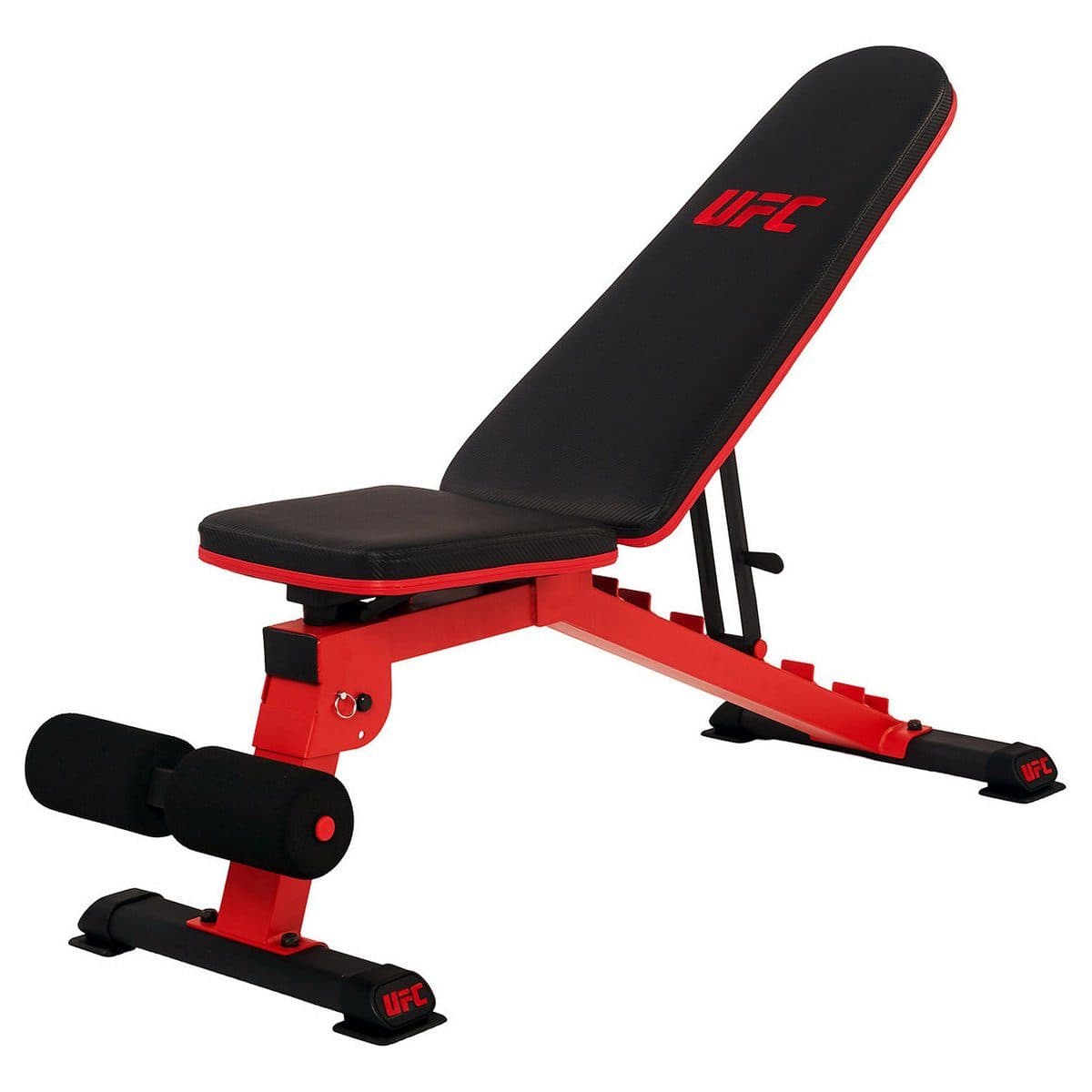
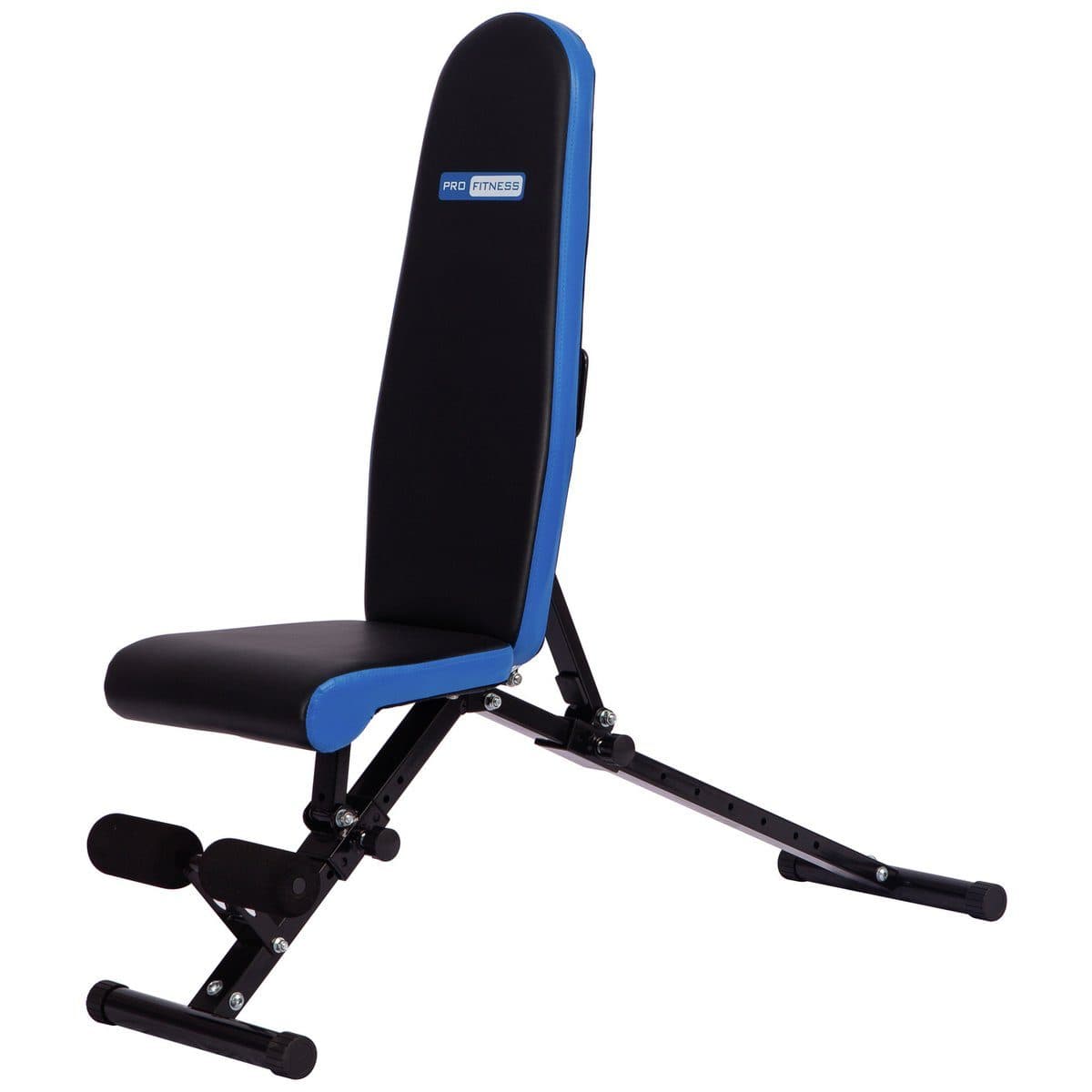
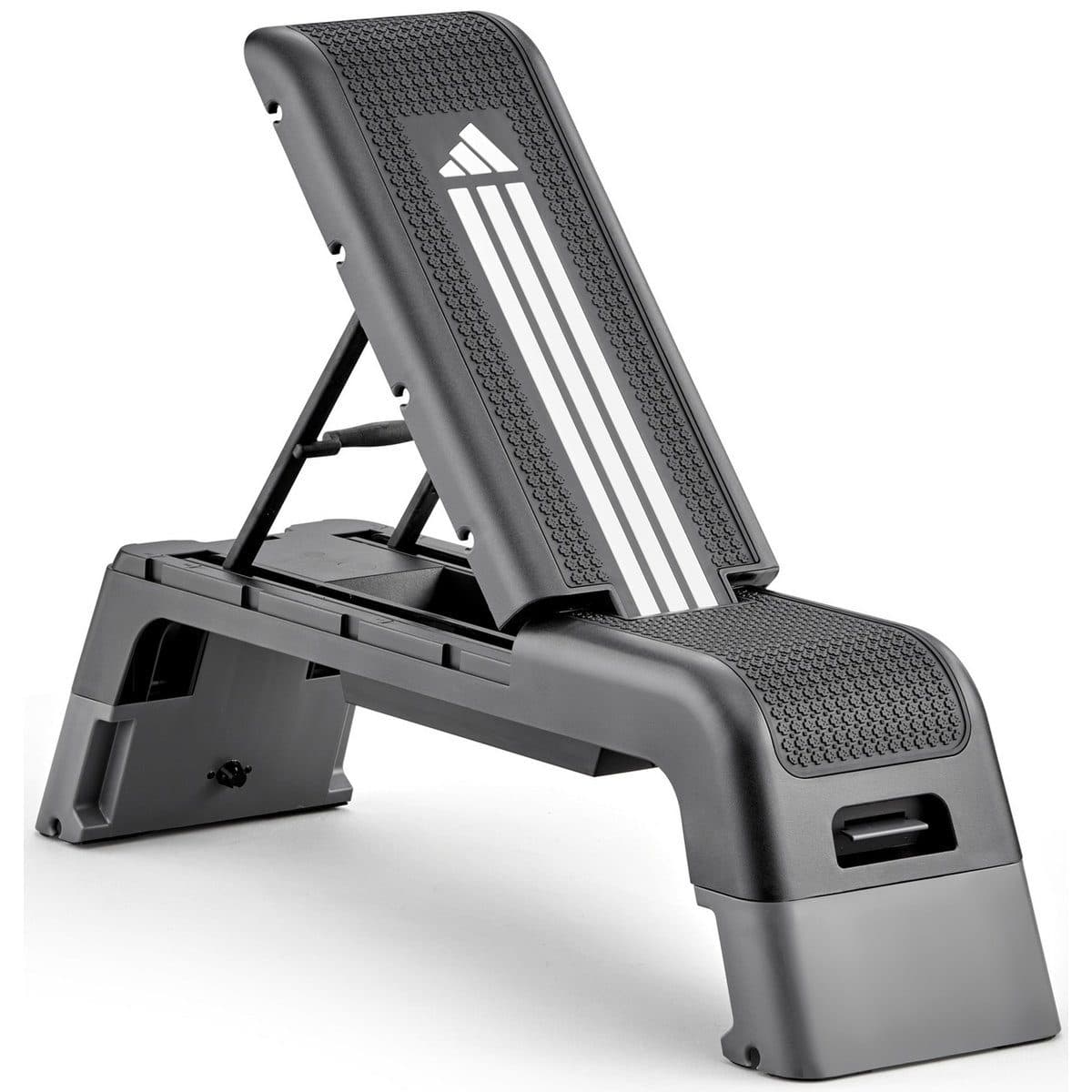
The short version: the UFC Folding FID is the best all-rounder that folds flat, the Core Predator is the sturdiest pick for heavy pressing, the Pro Fitness is the budget folding starter, and the Adidas HIIT Deck is the versatile step-and-bench hybrid.
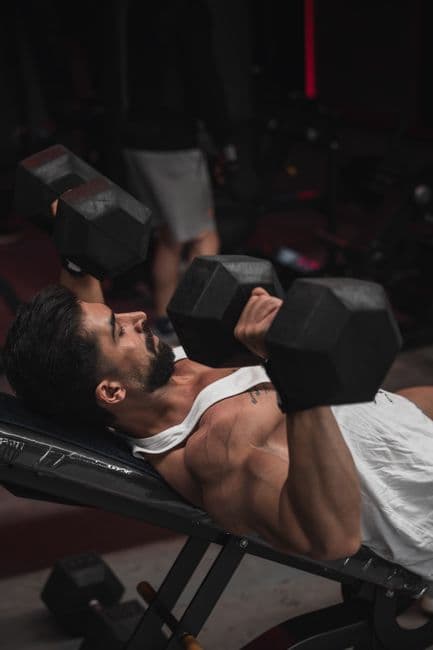
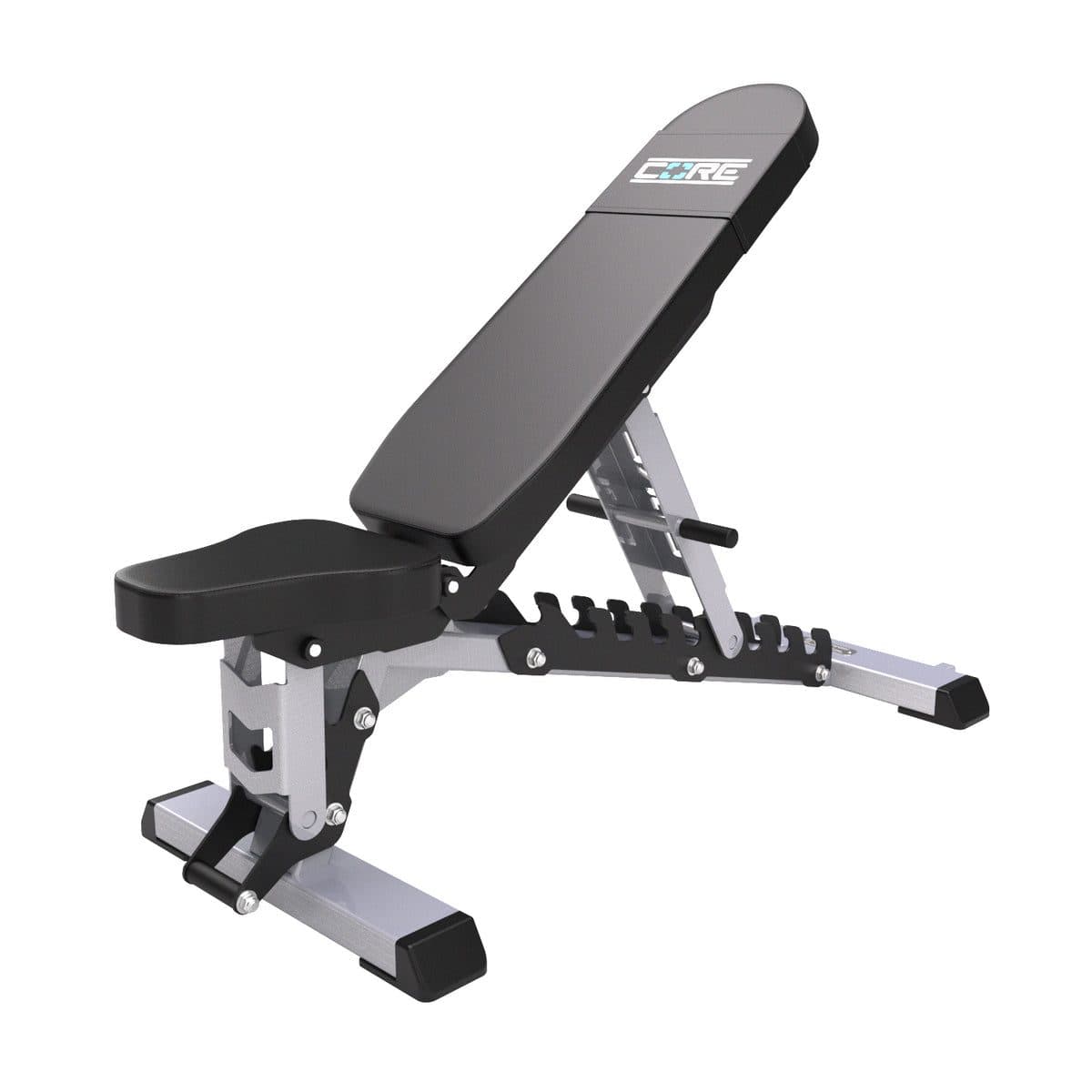
Adidas Performance Training Weight Bench with Leg Developer review#24
7.2/ 10

Adidas

Adidas Performance Training Weight Bench with Leg Developer

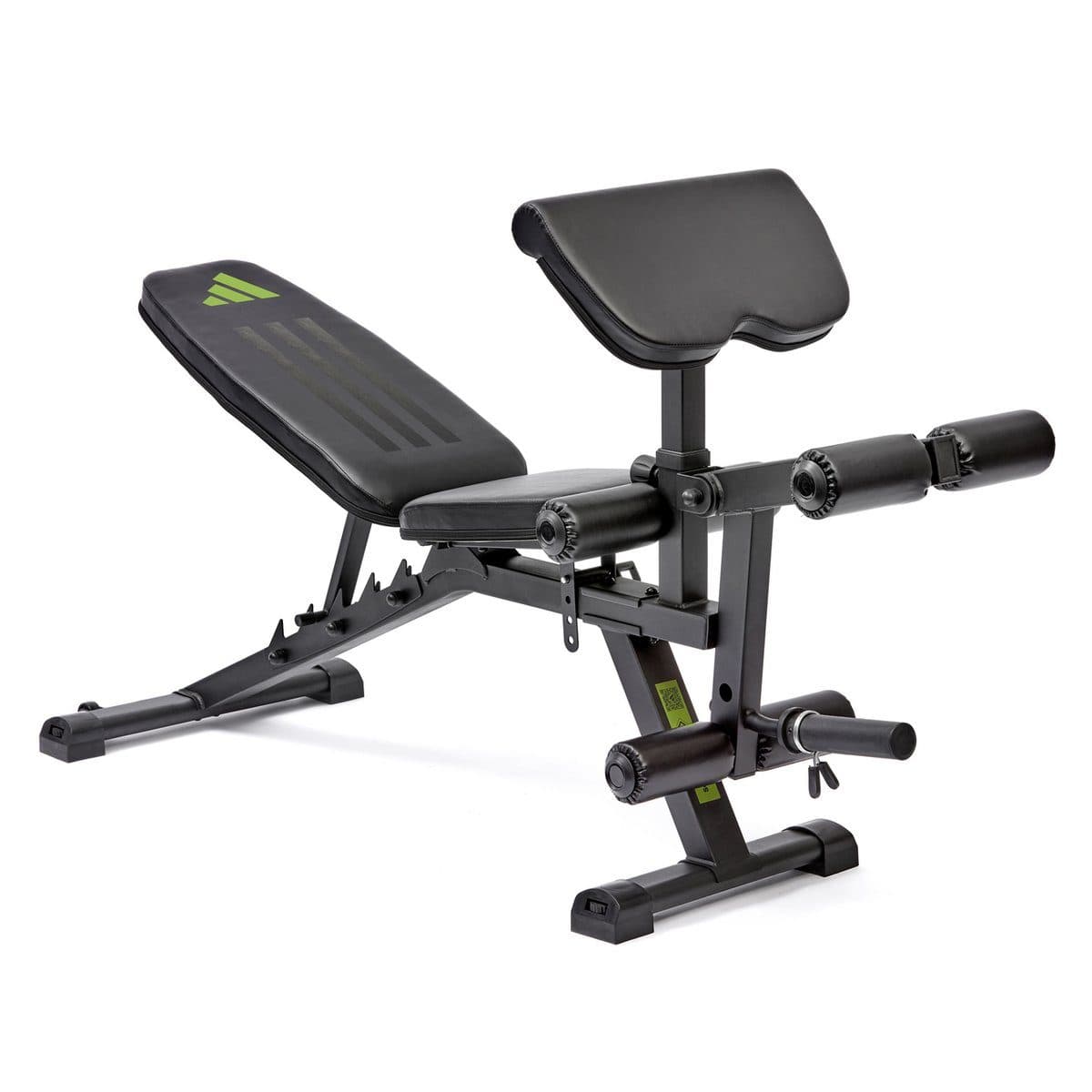
The Adidas training bench rolls three stations into one: a flat-incline-decline bench, a preacher curl pad, and a leg developer for curls and extensions, plus uprights to take a barbell. For a beginner building a first home gym on a budget, that versatility is genuinely useful. The catch is the one every all-in-one makes: each station is decent rather than excellent, and it is not built for heavy pressing like a dedicated bench.

Max
-
Steps
-
Price
~£130-150
Read review

Frequently asked questions

Do you need a weight bench for a home gym?

For anyone training with dumbbells, a bench is the highest-value add-on. It unlocks flat, incline and decline pressing, rows, step-ups, hip thrusts and core work, roughly doubling what a pair of dumbbells can do. You can start without one, but most home gyms buy a bench soon after the weights.

Flat bench or FID adjustable bench?

A flat bench is sturdier and cheaper and covers flat pressing and rows. A FID bench adds incline angles for upper-chest and shoulder work and decline for lower-chest and sit-ups, so one bench trains far more. For most home gyms the versatility of a FID like the UFC is worth it; dedicated heavy barbell benchers sometimes prefer a solid flat bench.

What weight capacity do I need in a bench?

Check two numbers: the total load rating (user plus weights) and the maximum user weight. A home lifter wants a total rating comfortably above their bodyweight plus their heaviest lift, which is why a 363kg-rated bench like the UFC FID gives real headroom, while a 120kg user-limit budget bench suits lighter dumbbell work.

Are folding weight benches sturdy enough?

Good ones are. A folding bench like the UFC FID still carries a high load rating and stays stable once assembled, as long as you keep the folding bolts tight. They are ideal for small or shared spaces. For daily near-max barbell pressing, a non-folding steel bench is the sturdier choice.